

Connecticut may be the Nutmeg State, but ask someone what produce we’re best known for, and they’re bound to start talking about apples. These days, apples are available year-round in any grocery store. When it comes to their seasonality, we generally consider them only in the light of the festivities that traditionally surrounded their harvest, which take modern form in our pick-your-own orchard adventures and the corn mazes, hayrides, and cider doughnuts that go along with them.
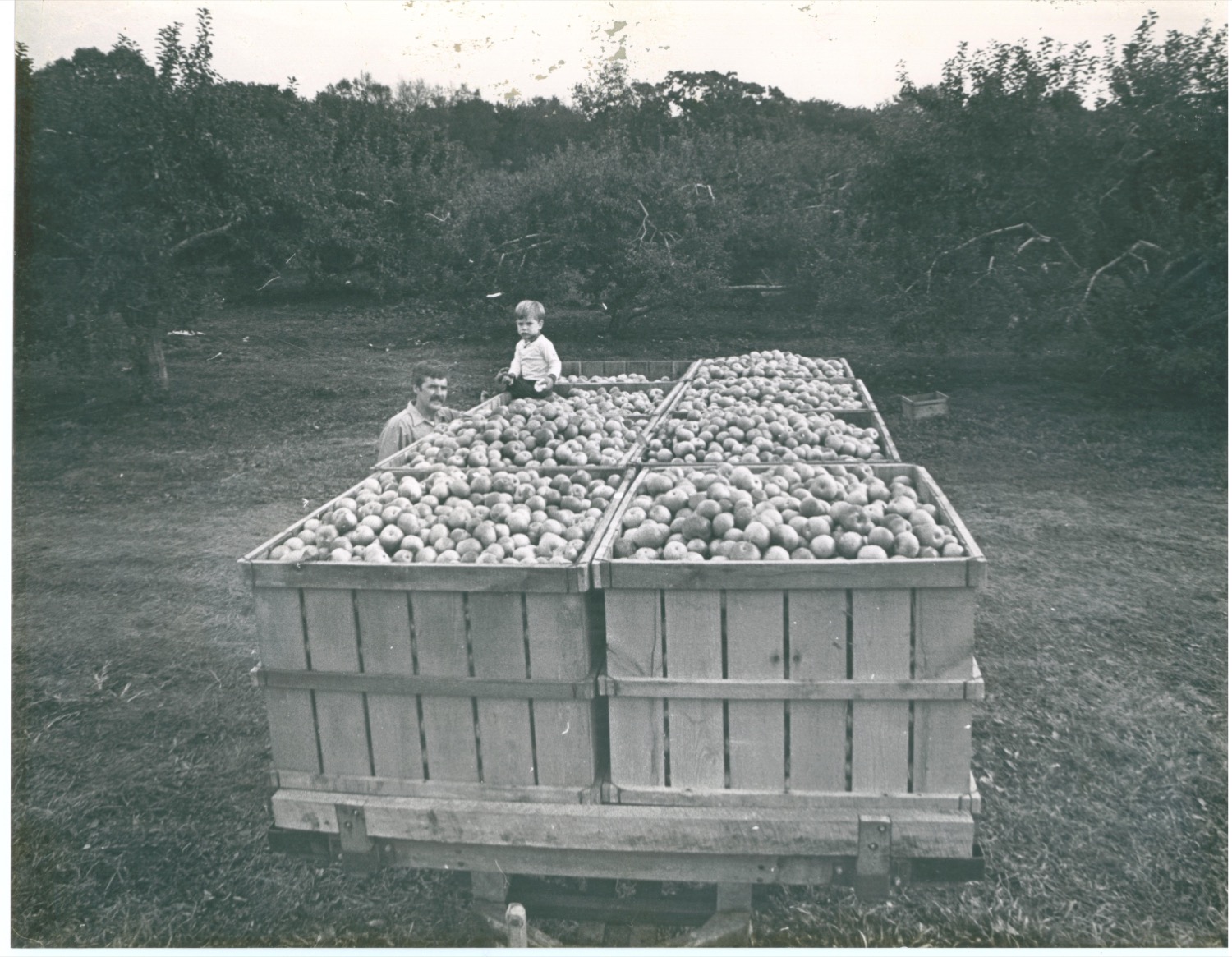
Yet, before the advent of modern storage (utilizing the gas 1-methylcyclopropene to store apples for up to a year) and a global fruit trade (which brings us apples from China and some European nations), the short, seasonal window in which apples were available in New England led to all manner of innovation. With a harvest too large to be eaten fresh, New Englanders turned to preservation methods to prevent waste: applesauce, apple butter, apple jelly, and various other canned versions of the fruit were popular. None, however, were quite as well received as hard cider. Once pressed, the juice from the apples was allowed to ferment, which gave it long shelf life and, notably, an alcoholic kick. Equal parts tonic and vice, young and old indulged in the drink. Preserved foods like these were critical to surviving a New England winter, so it should come as no surprise that our autumnal harvest celebrations were, in truth, celebrations of the food that would keep our communities alive until the next growing season.
Modern consumers have few such concerns. Beyond having continuous access to fresh fruit, most of us have grown accustomed to “flawless” produce, free of visible imperfections, something that was rarely available in the days before synthetic herbicides, when fungi and other ailments plagued apple harvests. In the worst case, crops were lost, but even when the harvest persevered, few apples escaped the curse of “ugliness.” Apples regularly had divots, scars, discoloration, and other irregularities — the marks of having survived to full ripeness against pests, disease, and hungry wildlife. But this didn’t mean that our predecessors were any less interested in pretty fruit. In fact, the traditional act of “shining” an apple on one’s shirt was a way to remove the cloudy wax that developed on the fruit’s skin as a natural protective layer against fungus — apples without it look nicer. But ugly or not, appearance was not a barrier to consumption for early New Englanders; the fruit was simply too valuable to squander, and it tasted delicious, regardless.
These days, we’re far more likely to waste unattractive apples. Even when grocery stores do carry local apples (or other locally grown produce), they frequently demand that the fruit falls within very specific parameters of size, uniformity, and yes, appearance. Apples from local orchards that don’t make the grade can and often do end up as cider (be it hard or sweet), sparing the consumer their ghastly pre-press appearance, but some ugly apples still make their way into an orchard’s fruit stand, daring the visitor to purchase them.
I love the ugly apples. There’s probably an emotionally deep-seated reason that a psychologist would happily draw out, but at the conscious level, the ugly apples evoke something like an ancestral feeling for me — 250 years ago, perhaps in the very orchard I am visiting, someone picked and ate an apple just like this, maybe even the same variety.
If you have a chance this fall to visit an apple orchard, I hope you’ll look for some of these “ugly” apples. Ask after the rare or heirloom varieties; having developed before some of the hardier modern cultivars, they’re more likely to to be imperfect. I think you’ll find that the voluminous range of apple varieties to be found at Connecticut orchards impart an unexpected range of flavors, well beyond what is found at an average grocery store. And, of course, with each bite you’ll be partaking in a seasonally appropriate, time-honored share of our state’s long and storied history with the apple.
Dana Jackson, Editor & Publisher